

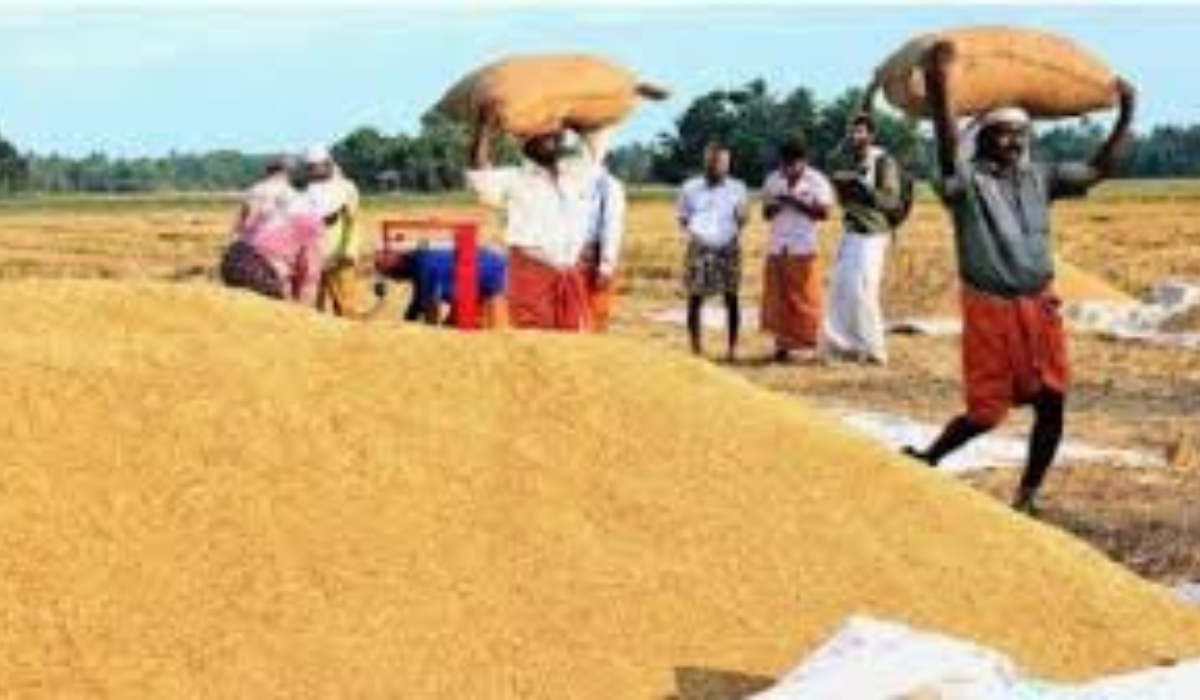
NKS Leads Protest on January 28
The Navnirman Krushak Sangathan (NKS), a major farmers’ group in Odisha, has announced a dawn-to-dusk bandh on January 28, 2026. The protest aims to highlight problems in paddy procurement, which have left many farmers struggling to sell their crops.
The Odisha Pradesh Congress Committee supports the 12-hour shutdown, while the ruling Biju Janata Dal (BJD) said it supports farmers’ cause but will not actively join the bandh.
Farmers Complain About Procurement Chaos
Mandis Fail to Handle Paddy Supply
NKS convenor Akshay Kumar said the current paddy procurement mandis are “chaotic” and not working well. Farmers often have to wait overnight with their produce. In addition, arbitrary deductions are being made under the FAQ (Fair Average Quality) norms.
“A truck can carry 40 quintals, but only 10 or 20 quintals are being lifted. Deductions of 4 to 10 kg per quintal are illegal and harm farmers,” Kumar said.
Input Assistance Controversy
Kumar also criticized the Food Supplies Minister’s statement that only farmers supplying up to 150 quintals of paddy will get the ₹800 input assistance. He said this decision is unfair and hurts farmers’ rights.
Political Reactions to the Bandh
Congress Supports Farmers’ Protest
The Odisha Pradesh Congress Committee fully supports the bandh. The party said it aims to highlight farm distress in the state. Bhakta Charan Das, Congress president in Odisha, has been actively leading protests against policies of the Mohan Charan Majhi Government that affect farmers.
BJD Backs Farmers, But Won’t Join Bandh
The Biju Janata Dal said it will not actively participate, but it still stands with the farmers. Spokesperson Lenin Mohanty announced that BJD will organize week-long protests from February 2 to 16 to raise awareness on farmers’ issues.
Farmers Demand Fair Prices and Security
The NKS has long demanded:
-
Fair prices for crops
-
Better welfare for farmers
-
A security allowance (pension)
Kumar said these efforts have led to schemes like the ₹800 per quintal assistance, but the current procurement system still creates problems.
President Droupadi Murmu is expected to visit Odisha, marking her first official visit to the State Assembly since assuming office, Read more

Bullet Train Plans Spark Hope Beyond India’s Announced Corridors With the Union Budget announcing seven new high-speed rail corridors across Read more

Comfortable Travel Across the State Odisha Tourism has introduced a new caravan tourism service. This service allows tourists to explore Read more
High Alert Issued Along Odisha-Jharkhand Border In a major anti-Maoist operation, at least 15 Maoists, including the influential leader Patiram Read more


